The cultivation of canola and grapevine faces dual pressures from future climate extremes and pollution linked to disease treatments, which may accelerate pathogen development and harm canola and wine production. Disease losses in the Australian canola industry already reach $131 million annually (27% of gross value), while pests across six major grain crops cause $360 million in losses, with potential to escalate to $2 billion. Similarly, the three most significant grapevine diseases - powdery mildew, downy mildew, and Botrytis (bunch rot) - cost the Australian wine industry up to AUD 300 million annually.
Project Overview
Grain crops / pests
$360M
Annual losses across six major grain crops, with potential to escalate to $2 billion.
Canola / disease
$131M
Lost annually to disease in the Australian canola industry — 27% of gross value.
Grapevine / disease
$300M
Annual cost to the Australian wine industry from powdery mildew, downy mildew and Botrytis.
In response to these challenges, Adelaide University, under the leadership of Professor Volker Hessel, has initiated a collaborative commercial project involving technology providers and end-users. The initiative has been funded by the Department of Education through Australia’s Economic Accelerator (AEA) Ignite program.
The project, titled “Digital Twins in Agriculture: Virtual Farming for Enhancing Crop Health, Productivity, and Sustainability”, investigates the integration of Digital Twin (DT) technologies with AI-driven personal assistants ‘humanoid agents’ to support improved decision-making, more efficient resource management, and enhanced agricultural productivity. A central aim is to enable regular, accurate assessments of vine health, supporting timely interventions to prevent the onset of common diseases that threaten grape quality and, ultimately, wine production.
In this project, Adelaide University (SA) and Federation University Australia (VIC), in collaboration with technology partners XMPro (QLD), Constellation Technologies (VIC), and Agora High-Tech (SA), are trialling a Predictive / Living Regenerative Digital Twin Platform designed to:
Reduce disease and pest pressures
Lever meteorological forecasts to smoothen weather-amplified disease outbreaks
Recommend concrete types of fungicide, their spraying volume and frequency (re-entry interval, REI)
Enhance sustainability performance (e.g., CO₂ emissions, nutrient pollution)
Enable real-time monitoring and data-driven responses
Comply with compliance and circular process design and closed-loop economy
This collaborative, industry-translating project demonstrates how Artificial Intelligence (AI) and Machine Learning (ML) can:
Improve farmers’ decision-making
Predict and manage disease risks
Conduct disease management (fungicide spraying) while not compromising environment
Support technology providers in refining their solutions
Two real-world agricultural sites were selected for study:
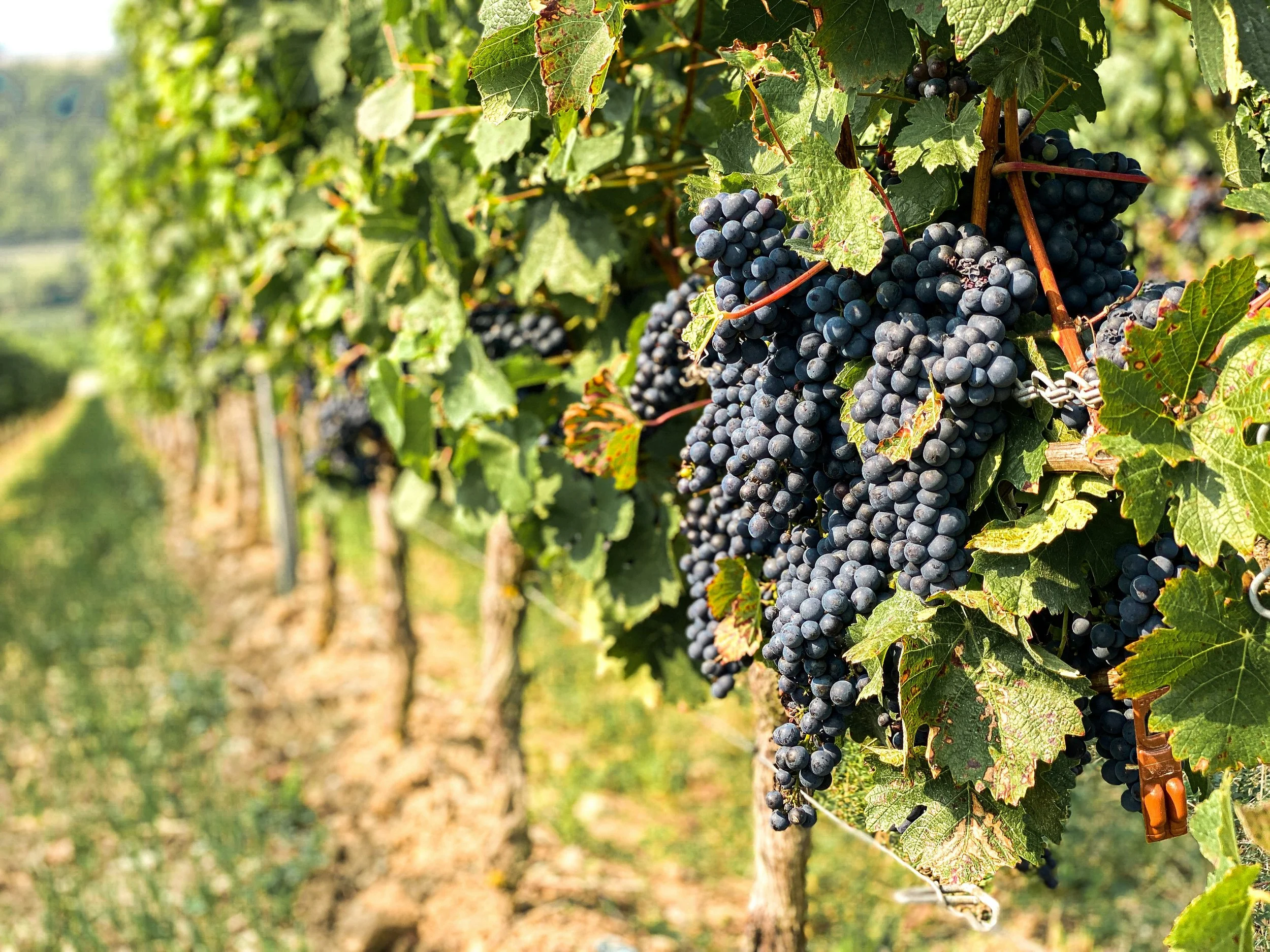
Serafino Wines, McLaren Vale (SA)
Vineyard digital twin for disease and pest prediction and management
Perennial Pasture Systems (VIC)
Canola field digital twin for crop health and performance management
These digital innovations not only empower farmers and vineyard managers to improve canola farm and vineyard performance but also strengthen education and training pathways—equipping the next generation of agricultural professionals with cutting-edge digital skills.
Together, Digital Twins and Artificial Intelligence are shaping the next chapter of Australian agriculture and viticulture, advancing the industry toward a new era often described as “Agriculture 4.0” and “Viticulture 4.0”. The first commercial outcomes of the project have already emerged through the use of Digital Twins in a canola farm in Victoria and a vineyard in South Australia, and these results will be presented during the workshop. This Earth-based innovation is being accelerated by parallel research efforts aimed at producing space-grown food for astronauts and developing methods to cultivate plants in and for space.
Project Acknowledgements


Support Acknowledgements


Project Partners